
Short answer: web design vs web development comes down to this: design decides what a website should do for people and how it looks and feels: structure, user journeys, interface and visual identity. Web development makes it work: front-end code that renders the design in the browser, back-end code that stores data and runs the logic, and the integrations and content management behind it. A brochure site leans on design and content; a store or portal leans on development. Most commercial projects need both working together.
The two terms are often used interchangeably, which makes proposals hard to compare. One quote says "design" and includes a working site; another says "development" and assumes you already have designs. Knowing who does what helps you understand what you are being offered.
What web design covers
Web design is broader than choosing colours. It usually includes:
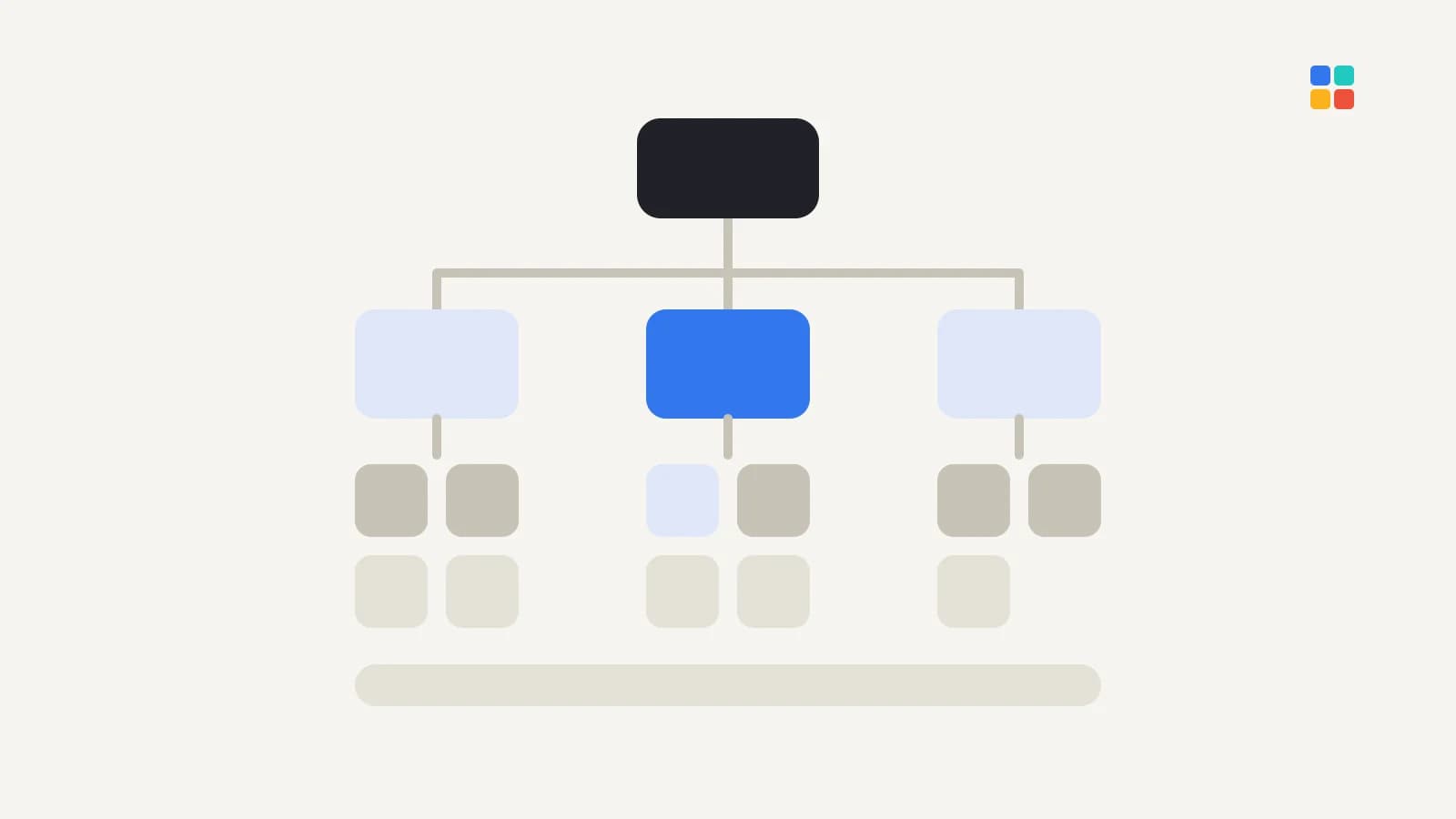
- UX (user experience): understanding who the visitors are, what they need to do, and the journeys that get them there. Outputs include user flows and a sitemap.
- Information architecture: how pages and navigation are organised so people find things.
- UI (user interface): layouts, components, typography, spacing and states such as errors and loading.
- Visual design: applying the brand so the site feels credible and consistent.
- Content design: how headings, copy and calls to action are structured on each page.
Typical design deliverables are a sitemap, wireframes for key pages, high-fidelity designs for mobile and desktop, and increasingly a design system: a reusable library of components with rules for using them.
UX and UI are not the same thing
UX asks whether the journey makes sense: can a visitor find the service and contact you in a few steps? UI asks whether each screen is clear and usable: are buttons recognisable, forms understandable, text readable? A beautiful UI on a confusing journey still fails.
What web development covers
Front-end development
The part of the code that runs in the browser: turning designs into responsive HTML, CSS and JavaScript that work on phones, tablets and desktops, meet accessibility requirements and load quickly. Deliverable: working page templates and components.
Back-end development
The server side: databases, business logic, user accounts and permissions, forms that store and route data, security and hosting configuration. Deliverable: the application and APIs that the front end talks to.
CMS and integrations
A content management system lets your team edit pages without a developer. Integrations connect the site to other tools: CRM, booking, payments, inventory, email. These are development work, but they depend on design decisions about what content and data the site handles.
Where the disciplines overlap
The best results come from the areas they share:
- Responsive behaviour: designers decide how layouts adapt; developers implement and test it on real devices.
- Design systems and components: designed once, built once, reused everywhere.
- Accessibility: contrast and focus states are design decisions; semantic markup and keyboard support are development.
- Performance: image choices and animation are design decisions with technical cost.
- Content model: designers define what each page contains; developers turn that into CMS fields.
- Right-to-left layouts: an Arabic site needs mirrored layouts designed intentionally and built with logical CSS, not flipped at the end.
What different projects actually need
A marketing or company website
Mostly design and content: clear structure, strong service pages and credible visuals. Development focuses on a fast front end, an easy CMS and working forms. For the full process see how to create a business website.
An ecommerce store
Both, with development carrying more weight: catalogue, checkout, payments, shipping and stock integrations, plus design of product pages and the purchase journey. See ecommerce website development.
A custom business portal or internal system
Development-heavy: accounts, roles, data, workflows and integrations. UX design is still essential, because staff use these tools all day and poor journeys cost time. See custom CRM development for a typical example.
A redesign of an existing site
Often design-led, but development decides whether it is safe: content migration, redirects, tracking and QA. See website redesign.
Why most commercial projects need both
A design that cannot be built within budget, or a build that ignores how people use the site, both waste money. Projects go best when design and development plan together from discovery: designers know the technical constraints, developers understand the intent behind each screen, and both test with real content. When you compare proposals, check that each one covers design, front-end, back-end, CMS and integrations explicitly, and see the website cost guide for how those choices affect budget.
Frequently asked questions
Do I need a designer and a developer, or can one person do both?
For a small brochure site one skilled person can cover both. As soon as the project involves integrations, ecommerce, user accounts or two languages, separate design and development expertise usually saves time and rework.
Is front-end development part of design or development?
It is development, but it sits closest to design: it turns designs into working, responsive and accessible pages. Close collaboration between designers and front-end developers is where most quality is won or lost.