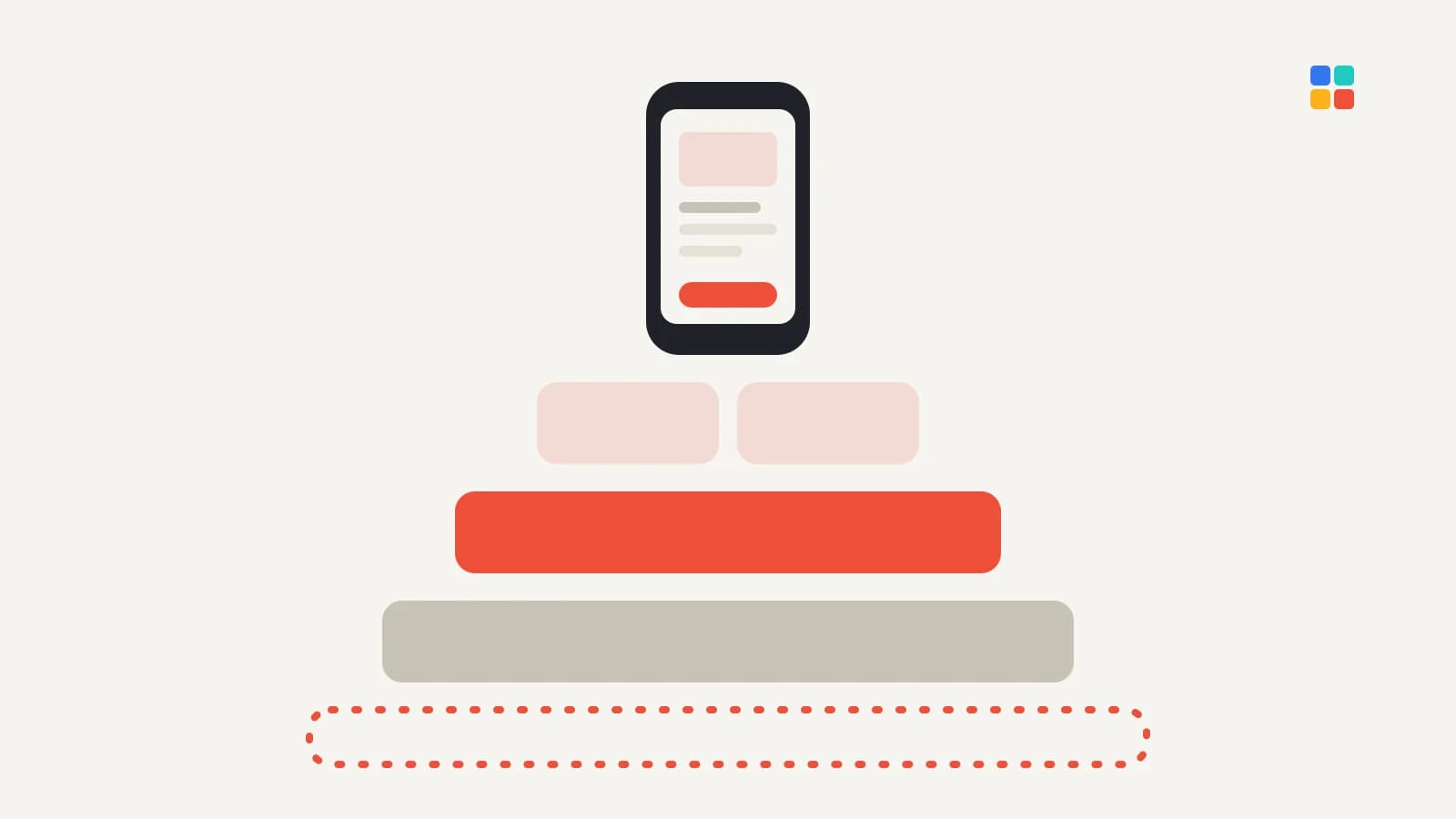

Short answer: ecommerce website development means planning, building and connecting an online store so that orders, payments, stock and fulfilment work together. The main decisions are the platform (hosted, WordPress/WooCommerce or custom), the payment and shipping setup, and which business systems the store must talk to. Those decisions drive most of the cost and timeline.
Most store projects go wrong in the same place: the storefront gets attention, while payments, stock and fulfilment are treated as details. This guide covers what ecommerce website development involves, how to choose a platform, what a project looks like and what drives the budget.
What ecommerce website development includes
- Catalogue structure: categories, product types, variants (sizes, colours, bundles) and filters.
- Product pages and search: content, media, pricing, stock status and search that finds products by how customers describe them.
- Cart and checkout: guest checkout, delivery options, taxes, discounts and order confirmation.
- Payments: gateway integration, cash on delivery where relevant, refunds and reconciliation.
- Shipping and fulfilment: delivery zones, courier integrations, tracking and returns.
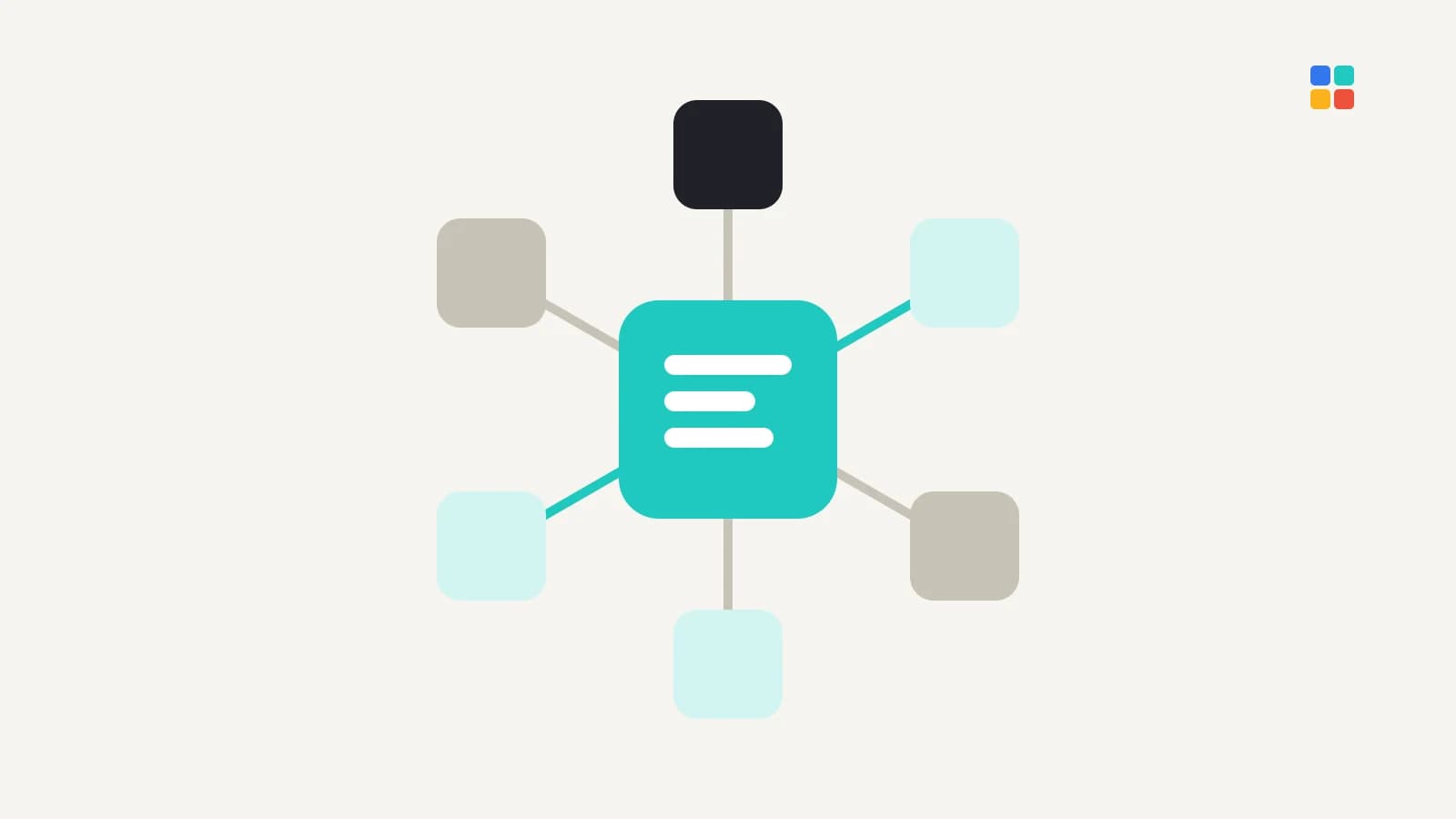
- Integrations: inventory, accounting, CRM, email and messaging.
- Admin and roles: order management your team can use, with the right permissions.
- Performance, security and SEO: fast pages, secure checkout, crawlable product and category pages.
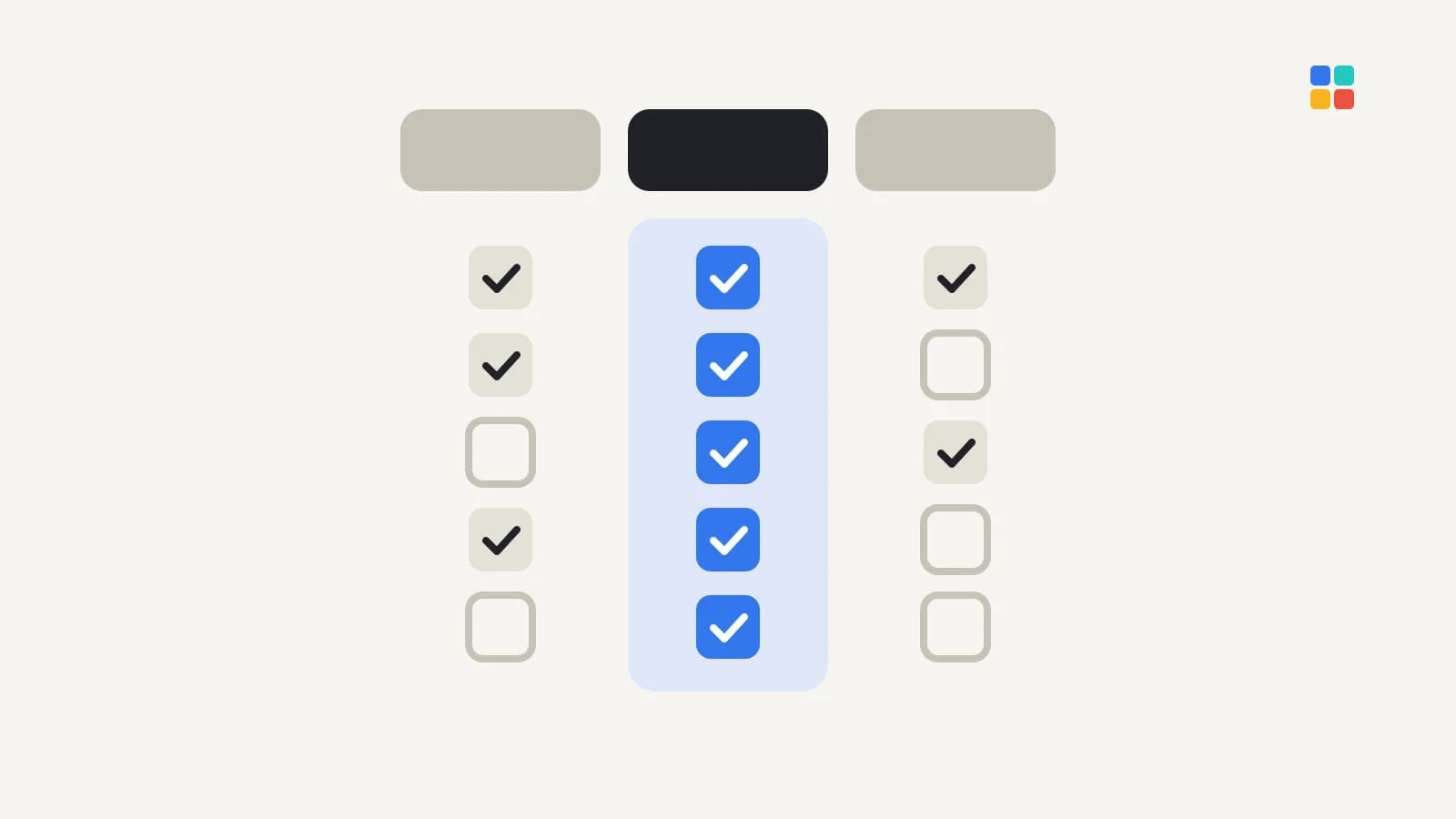
Choosing an ecommerce platform
Hosted (SaaS) platforms
Services such as Shopify run the software for you. They launch quickly and include hosting and security, but you pay monthly and customisation follows the platform's rules.
WooCommerce on WordPress
Flexible content and a large plugin ecosystem. You own hosting, updates and security, and plugin quality varies, so maintenance needs a plan.
Custom or headless builds
Worth it when your selling model does not fit standard tools: wholesale pricing, subscriptions, configurable products, or deep links to existing inventory and accounting systems. Higher upfront cost, full control.
Rule of thumb: choose the simplest platform that supports how you sell today, and make sure you can export your products, customers and orders if you move later.
Payments and shipping come first
Payment options depend on your market and your bank. In Jordan, for example, many shoppers use CliQ, the instant payment system operated by JoPACC since 2020, alongside cards and cash on delivery. Confirm early:
- Which payment gateway your bank supports and whether it integrates with your platform.
- How cash-on-delivery orders are recorded and reconciled.
- Which couriers cover your regions and whether they offer tracking integrations.
Settling these before design avoids rebuilding checkout later.
Features that make a store sell
- Clear product pages: real photos, visible price, stock status and the returns policy near the buy button.
- Short checkout: every extra field raises abandonment; allow guest checkout.
- Mobile first: most browsing starts on a phone.
- Useful filters and search for larger catalogues.
- Bilingual support where you sell in Arabic and English, with correct right-to-left layout rather than translation over an English theme.
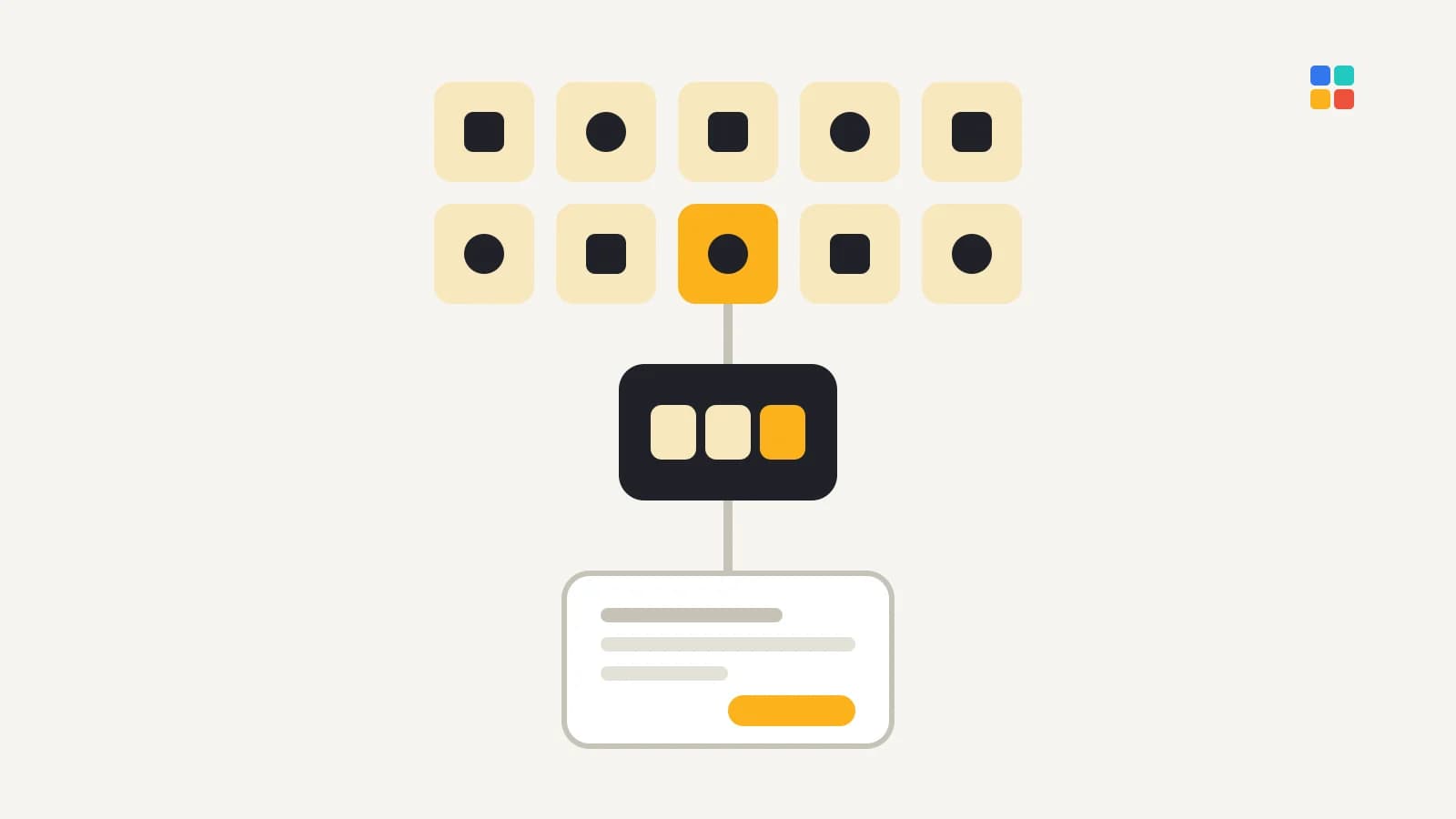
The development process
- Discovery: products, customers, payments, shipping and existing systems.
- Scope and platform choice: a written first-release scope.
- UX and design: the mobile purchase journey, then key templates.
- Build and integrations: catalogue setup, payments, shipping, notifications and back-office connections.
- Content and data: product copy, images and imports from existing systems.
- Testing: full test orders with each payment method, stock updates, emails, speed and security.
- Launch and improvement: analytics, search console, then changes based on real orders.
Ecommerce development cost
Elementor's 2026 ecommerce cost guide (updated June 2026) gives these reference ranges:
- DIY on a hosted platform: about $500–$1,500 in the first year, plus payment processing fees.
- Freelancer: about $2,000–$16,000 including setup and custom design work.
- Agency: about $10,000–$25,000 for small businesses, $25,000–$50,000 for mid-sized stores and $50,000–$250,000+ for enterprise builds.
Recurring costs in the same guide include hosting (about $120–$600 per year), a domain (about $15–$60 per year), paid plugins or apps (about $200–$1,000+ per year) and maintenance. Payment processors also charge per transaction. What moves a project within these ranges: catalogue size and variants, number of integrations, custom design, content work and support. See our website cost guide for how to budget and compare quotes.
Launch checklist
- Place real test orders with every payment method on several phones.
- Confirm stock updates, order emails and refunds work end to end.
- Redirect old product and category URLs if you are replacing a store.
- Submit the sitemap and check product pages are indexable.
Measuring whether the store works
- Conversion rate: the share of visits that end in an order.
- Cart abandonment: where customers stop during checkout.
- Average order value: and whether bundles or suggestions raise it.
- Traffic sources: search, ads or social.
- Fulfilment time: from payment to dispatch.
Summary
Ecommerce website development succeeds when the store is built around how you sell: payments and fulfilment first, then the buying journey, then the interface. Choose the simplest platform that fits, connect it to your operations, and budget for running costs as well as the build. To see how E-MYTH builds and launches stores, see our ecommerce development service. Our integrations and automation service covers connecting a store to inventory and accounting.
Frequently asked questions
Should I use Shopify, WooCommerce or a custom-built store?
Use a hosted platform to launch quickly with standard selling needs, WooCommerce when you want content flexibility and can maintain it, and a custom build when your pricing, stock or integrations do not fit standard tools.
How long does it take to build an online store?
It depends on scope. A store on a hosted platform with a small catalogue is far quicker than a custom store with inventory and accounting integrations. Ask for a timeline broken into discovery, design, build, testing and launch.
Can my online store accept CliQ payments in Jordan?
CliQ is Jordan’s instant payment system operated by JoPACC, and some payment providers offer merchant integrations. Availability depends on your bank and provider, so confirm it before choosing your platform.