
Short answer: the right web design company in Jordan can show you live sites that work equally well in Arabic and English, puts scope, payments and acceptance criteria in a clear contract, registers the domain, hosting and accounts in your company's name, knows how to connect local payment options when you need them, handles personal data under Jordan's data protection law, and defines post-launch support in writing. Compare proposals on these points before price.
This guide focuses on choosing a provider and on what matters specifically in Jordan. What development services include and how a project runs is covered in what a website development company should deliver.
Start with a one-page brief
Before contacting anyone, write down the site's goal (quote requests, bookings, direct sales), your audience and their language, the core pages, the systems it must connect to, who will prepare content and your target date. It makes proposals comparable and quickly exposes one-template-fits-all offers.
What "bilingual" should really mean
Many sites claim Arabic and English support, but the Arabic version is often a translation poured into an English layout. Ask for a live example and check:
- Direction: navigation, icons, arrows and forms mirror correctly for right-to-left, rather than Arabic text in a left-to-right layout.
- Arabic typography: readable size and line height, not a decorative face that tires readers in long text.
- Mixed text: phone numbers, prices, emails and English terms inside Arabic sentences display in the right order.
- Copy: Arabic written for Arabic readers, not a literal translation.
- Equivalent pages: each Arabic page has an English counterpart, linked to each other, with separate titles and descriptions for search in each language.
Evaluating a web design company’s portfolio and proposals
- Work you can open: live sites, ideally bilingual or similar to your project. Test them on your phone and try the forms.
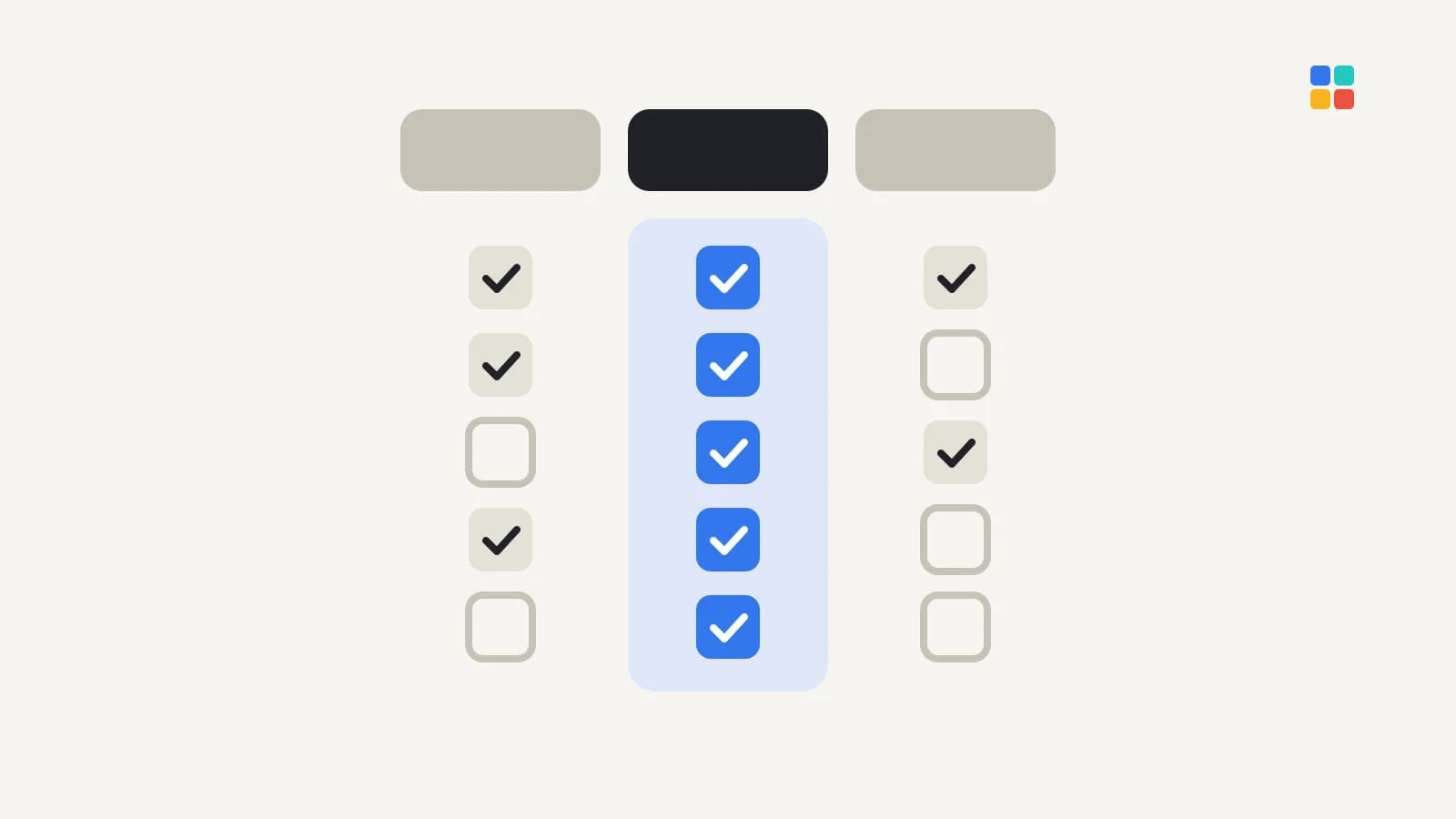
- Comparable proposals: pages and features per language, who writes content and prepares images, included integrations, revision rounds, hosting and domain costs, timeline and support.
- Compare line items, not totals: the cheapest proposal often leaves out content, testing or support. See the website cost guide for reference ranges.
Contract and scope
A good contract protects both sides and is agreed before work starts:
- Scope by pages, features, languages and integrations.
- Milestones and payments tied to deliverables, such as design approval, a staging site and launch.
- Acceptance criteria for each milestone.
- Change requests: what counts as in scope and what is billed separately.
- Intellectual property: design, code and content transfer to you on payment.
- Confidentiality and termination: how files and accounts are handed over if the project stops.
For larger projects, have a lawyer review the contract.
Ownership of domain, hosting, code and accounts
A common and costly surprise is discovering years later that the domain is registered to the agency or one of its staff. Make sure the domain, hosting, analytics, Search Console and professional email are in your company's name, and that the code or theme and admin access are handed over.
Payments and local integrations
If the site takes payments or bookings, ask about real integrations they have delivered:
- Card payments run through a gateway provided by your bank or a payment service provider; confirm it supports the proposed platform.
- CliQ, Jordan's instant payment system operated by JoPACC since 2020, is widely used by shoppers; ask whether your payment provider can connect it to your store.
- Cash on delivery and couriers: how orders are recorded and tracked.
For building the store itself, see ecommerce website development.
Data protection
Any site that collects names, phone numbers or messages processes personal data. Jordan's Personal Data Protection Law No. 24 of 2023 applies. Ask where form data is stored, who can access it and whether the privacy policy will reflect what the site actually collects, and take legal advice on specifics for your business.
What you should receive at handover
- Admin, hosting and domain credentials.
- The code or theme, and any paid licences in your company's name.
- A short guide to editing content in both languages.
- A list of plugins and third-party services with renewal dates.
- A recent backup and a backup routine.
- Search Console and analytics connected, and a redirect list if an old site was replaced.
Communication and support after launch
Agree the communication channel, language and your named contact in advance. Get a written support agreement covering the warranty period after launch, response times for faults, what maintenance includes (security updates, backups, monitoring) and the cost of changes afterwards.
Warning signs
- A fixed price before they understand your needs.
- Guaranteed first-place rankings within a set time.
- Refusal to register the domain or accounts in your name.
- Portfolio items you cannot open.
- Arabic versions in their portfolio that read like machine translation.
For the full build process, see how to create a business website.
Frequently asked questions
Should my website be in Arabic, English or both?
Follow your customers. If you serve both Arabic and English speakers, build both languages properly, with right-to-left Arabic and equivalent pages linked to each other, rather than translating one version automatically.
Who should own my domain and website?
You should. Make sure the domain, hosting and admin accounts are registered to your business or handed over at launch, and confirm this in the contract.
Can a website in Jordan accept CliQ payments?
CliQ is Jordan’s instant payment system operated by JoPACC, and some payment providers offer merchant integrations. Availability depends on your bank and provider, so confirm it before choosing a platform.