
Short answer: a website development company plans, designs, builds, tests and launches your site, then supports it. A good one starts with your business goals rather than a template, shows you something reviewable at every stage, and hands over a site you fully own: domain, hosting, code, content and documentation.
Choosing a development partner is easier once you know what the work involves. This guide explains the services, the stages of a typical project and the deliverables you should expect, so you can judge proposals on substance rather than promises.
What does a website development company do?
A website development company (often called a web development agency) turns a business goal into a working website or web application. Depending on the project, that covers:
- Discovery and planning: understanding your audience, services and the action you want visitors to take.
- UX and interface design: page structure, user journeys and the visual design, for mobile and desktop.
- Development: building the front end people see and the back end that stores content and data.
- Integrations: connecting forms, CRM, bookings, payments or inventory so the site is part of your operations.
- Content management: an editor your team can use without calling a developer for every change.
- Technical SEO and performance: fast pages, clean URLs, metadata and structured data.
- Testing, launch and support: quality checks, deployment, monitoring and updates.
Website development company vs web development agency
In practice the terms are used interchangeably. What matters is not the label but the range of the team: some focus on design and content sites, others on web applications and integrations. Match the team to the kind of project you have.
Agency, freelancer or in-house?
- Freelancer: efficient for small, well-defined sites; one person covers several roles, which limits capacity and continuity.
- Agency or company: a team covering strategy, design, development and QA; better for multi-language sites, integrations and ongoing work.
- In-house team: makes sense when the website or platform is core to the business and changes constantly.
Many companies combine them: an agency builds the platform and an internal person maintains content.
How a website development project runs
A clear delivery sequence is the best sign of a capable partner. Each stage should end with something you can review:
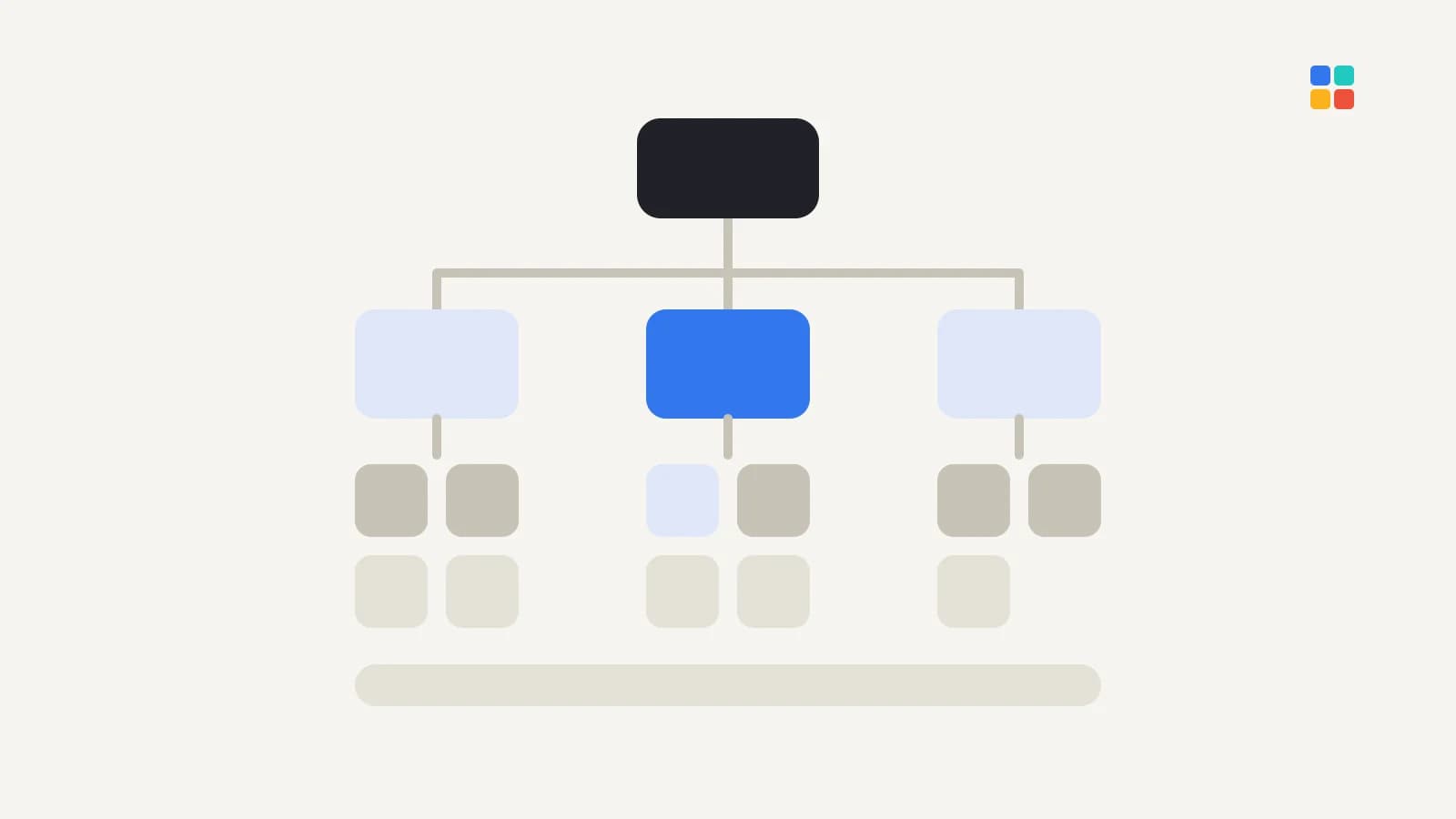
- Discovery: goals, audience, competitors, existing content and systems. Output: a written scope and sitemap.
- UX and design: wireframes for key journeys, then visual designs. Output: designs you approve before building.
- Development: building templates, the content model and integrations. Output: a staging site you can click through.
- Content: entering and editing copy and media in each language. Output: complete pages, not placeholders.
- Testing: devices, browsers, forms, speed, accessibility and SEO checks. Output: a list of issues fixed.
- Launch: domain, hosting, redirects from any old site, analytics and Search Console. Output: a live site and handover.
- Support and improvement: updates, monitoring and changes based on real visitor data.
What you should receive
- Ownership: the domain and hosting in your company's name, admin access, and the code or theme.
- Documentation: how to edit content, who to contact for what, and how the site is deployed.
- A content model your team can manage, with roles and permissions.
- A clear support agreement: response times, what is included and what counts as a change.
Building for change
A site built to evolve documents its integrations, keeps content editable and separates what launches now from what comes later. Scalability is a set of architectural decisions and operating habits, not a promise that the software will never need to change.
Warning signs
- A fixed price before anyone asks about your goals.
- Guaranteed search rankings or revenue.
- No staging site or review points until launch day.
- Reluctance to put domain, hosting or code ownership in writing.
If you are comparing providers in Jordan specifically, our checklist for choosing a web design company in Jordan covers local considerations such as bilingual quality and data protection. For budgeting, see the website cost guide, and for the full build process, how to create a business website. To see how E-MYTH runs these projects and what you own at the end, see our website design and development service.
Frequently asked questions
Is a website development company the same as a web development agency?
In practice, yes; the terms are used interchangeably. Compare teams by the kind of projects they deliver, such as content sites, ecommerce or web applications, rather than by the label.
Who should own the website after launch?
Your company. The domain, hosting and admin accounts should be in your name, and the code or theme and content should be handed over with documentation.